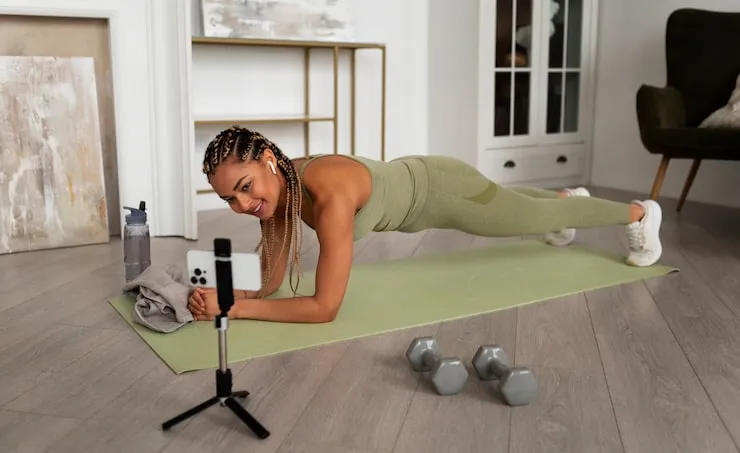
Chronic back pain can be managed with sports medicine by uncovering the source of back pain and addressing the issue through specific movement, strengthening and therapeutic exercises. This not only helps alleviate pain for the short term, but also helps optimize spine and movement function.
Muscle strength, posture and lifestyle are evaluated, and a plan is designed involving safe exercises, hands-on treatment and a gradual return to activity. It is a great treatment for athletes and non-athletes looking for long-term relief, but not just on medication or surgery.
This article walks you through exactly how sports medicine treats chronic back pain. No vague promises. No confusing medical terms. Just real methods that work for real people.
What Makes Sports Medicine Different For Back Pain?
Most pain doctors prescribe medication. They order an MRI. They tell you to rest. That approach helps short term. It fails long term. Sports medicine doctors think differently. They ask why your back hurts. Not where. Not how much. But why.
They look at your hips. Your core. Your walking pattern. Your sitting habits. They find the weak link that started the problem. Then they fix that weak link instead of just covering pain.
This matters because chronic back pain almost never starts at the spine. It starts somewhere else and travels to your back. A weak hip makes your lower back twist too much. Tight hamstrings pull your pelvis wrong. A dead core lets your spine carry weight meant for muscles. Sports medicine finds these hidden causes.
Read More: Sports Medicine vs Physical Therapy: What is the Difference?

Why Athletes Get Chronic Back Pain
People think athletes are strong. They are strong in some ways. But they are weak in others.
- A runner builds powerful legs. Their core stays soft. Their hips tighten from thousands of repeated steps. That tightness slowly grinds the lower back.
- A weightlifter builds big muscles. But they skip mobility work. Their spine stays stuck in one position. Over time, discs wear down.
- A basketball player jumps hard. Lands hard. Never trains their glutes properly. The back absorbs every landing instead.
- How to treat lower back pain in athletes starts with understanding these patterns. The sport itself creates the injury. Treatment must undo that pattern.
Sports medicine doctors map your movement. They watch how you squat, bend, twist, and walk. They find the exact moment pain begins. Then they rebuild that movement from scratch.
The Real Cause Of Your Chronic Pain
Chronic means old. Means stuck. Means your body forgot how to heal.
When pain lasts over three months, something changed inside your nervous system. Pain signals keep firing even after tissue heals. Your brain stays alert. It thinks danger remains. This is called central sensitization. No need to memorize that term. Just understand this: your nervous system got stuck in alarm mode.
Sports medicine treats this in two ways
- First, movement therapy resets your nervous system. Slow, controlled exercises teach your brain that movement is safe. Pain drops as fear drops.
- Second, strength work rebuilds confidence. Weak muscles scare your brain. Strong muscles tell your brain the body works fine.
- Most back pain patients skip this step. They stretch. They rest. They avoid movement. That makes the alarm louder.
- Sports medicine forces gentle movement early. This breaks the fear cycle. Pain follows fear. Remove fear, pain fades.
Diagnosis In Sports Medicine
- A regular doctor orders an X-ray. Maybe an MRI. Then they show you a disc bulge. They say that is your problem.
- Here is the truth. Disc bulges show up in pain free people too. Many adults have bulging discs and feel nothing.
- Sports medicine doctors do not stop at imaging. They test function.
- They watch you bend forward. Backward. Side to side. They measure how far you move before pain hits. They compare left and right sides.
- They test your reflexes. Your muscle strength. Your balance. They find which exact muscles fail.
- They press specific trigger points. These spots hurt more than surrounding tissue. Finding them shows which muscles guard your spine.
This whole process takes thirty to forty five minutes. It reveals the real weak point. Treatment targets that point, not the MRI image.
Treatment Options That Actually Work
Sports medicine offers many tools. Not all work for every person. Here is what helps most chronic back pain patients.
Physical Therapy With A Movement Specialist
- Not just any therapist. You need someone trained in sports medicine. They understand load, progression, and pain science.
- Your first sessions focus on breathing. Diaphragm breathing resets your core. Most back pain patients breathe wrong. Chest breathing. Shallow. Tense.
- Learning belly breathing changes pressure inside your spine. It relaxes deep muscles. Pain drops within days.
- Next comes gentle mobility. Cat cow stretches. Pelvic tilts. Hip circles. Nothing intense. Just movement to wake sleeping joints.
Week three brings loaded movement. Bodyweight squats. Deadlifts with a light kettlebell. Bridges with weight. These rebuild strength without fear.
Manual Therapy
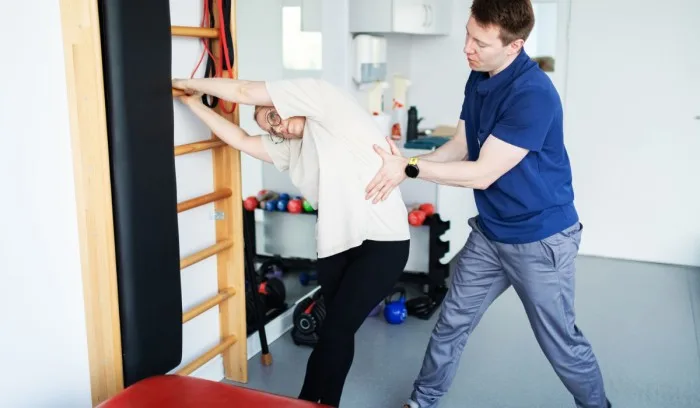
- Hands on work helps when muscles lock up. Sports medicine therapists use soft tissue release. They press tight spots and hold pressure until tissue melts.
- Joint mobilization moves stiff vertebrae gently. No cracking. No popping. Just slow pressure that unlocks stuck motion.
- Dry needling helps trigger points. Thin needles poke tight muscle bands. The muscle releases. Pain drops fast.
This works best combined with exercise. Manual therapy opens the door. Exercise walks through it.
Injection Therapy When Needed
Not every patient needs shots. But some do.
- Cortisone injections calm inflammation around nerves. This buys time for therapy to work. It is not a cure. It is a pause button.
- Platelet rich plasma injections use your own blood. The healing factors inside blood go directly into damaged tissue. This speeds repair.
- Nerve blocks numb specific pain signals. They tell your brain the alarm is false. This helps reset central sensitization.
- Sports medicine doctors use injections sparingly. They want your body to heal itself. Shots just help that process start.
Return To Activity Planning
This is the part most clinics skip. They fix you. Then send you home. You go back to old habits. Pain returns.
- Sports medicine plans your return to real life. They build a program that matches your daily demands.
- Office workers get sitting breaks built into their day. Runners get gradual mileage increase. Manual laborers get lifting technique coaching.
- How to workout with chronic back pain depends on your specific weakness. A program for a desk worker looks nothing like one for a construction worker.
The right program keeps you moving. The wrong program brings pain back.
How To Workout With Chronic Back Pain?
Fear stops most people. They think exercise makes pain worse. Sometimes it does. But only with wrong exercise.
The right exercise heals. Here is how to start.
- Begin with zero load. Wall sits. Standing hip hinges. Glute bridges without weight. These teach your body safe positions.
- Pain should stay below three out of ten. If it hits five, stop. Come back next day with easier movement.
- Add load slowly. One pound per week. Two at most. Your back adapts slower than your arms.
- Never train through sharp pain. Dull ache is okay. Sharp pain means tissue tears. Stop immediately.
- Best exercises for chronic back pain include:
- Bird dogs build core without spinal load. You extend opposite arm and leg while on all fours. Hold five seconds. Switch sides.
- Dead bugs lie you on your back. You extend arms and legs while keeping lower back pressed to floor. This trains deep core muscles.
- Farmer carries load your hands heavy. Walk slow. Stand tall. This builds total body strength without bending.
- Pallof presses use a cable machine. You resist rotation. This trains anti rotation strength. Your spine stays stable.
- Swimming and water walking remove gravity. Your back floats. You move freely. Pain drops in water.
Avoid sit ups. Avoid toe touches. Avoid loaded twisting. These stress discs directly.

Prevention Beats Treatment
You can stop chronic pain from returning. It takes daily work. Small work. But daily.
- Stand every thirty minutes if you sit all day. Walk two minutes. Reset your spine.
- Sleep on your side with a pillow between knees. This keeps your spine straight through night.
- Lift with your hips, not your back. Push hips back. Bend knees. Keep load close to body.
- Strengthen glutes three times per week. Deadlifts. Hip thrusts. Step ups. Strong glutes protect your back forever.
- Stretch hip flexors daily. Tight hip flexors pull your pelvis forward. Your back arches. Pain follows.
Build a morning routine. Five minutes of cat cow. Pelvic tilts. Deep breathing. This wakes your spine gently.
You May Also Read: Top Sports Medicine Doctors in India: Experts Behind Athletic
When Normal Treatment Fails?
Some backs need more than therapy. Surgery stays an option. Sports medicine doctors recommend it only when clear nerve damage exists.
- Weakness in legs that keeps dropping. Loss of bladder control. Numbness spreading down both legs. These mean nerve compression. Surgery relieves pressure.
- But most chronic pain patients never reach this point. They respond to conservative care. They just need patience.
- Healing takes six months minimum. Some need a year. Your body built this problem over years. It will not vanish in weeks.
Trust the process. Track small wins. Less pain getting out of bed. Longer walks. Heavier lifts. These show progress even when pain stays.
What To Ask Your Sports Medicine Doctor
- Do not walk into your first visit unprepared. Ask these questions.
- What movement pattern caused my pain?
- Which muscle is weak?
- What exercise should I start with today?
- How many weeks until I feel real change?
- What should I stop doing right now?
- What does success look like for me?
- Good doctors answer clearly. They show you their plan. They set honest timelines. They never promise instant cure.
Run from doctors who want to operate first. Run from those who only prescribe pills. You deserve a team that builds your body back up.
Final Truth About Chronic Back Pain
- Your back is not broken forever. It adapted to weakness. To poor movement. To stress.
- Sports medicine rewires that adaptation. It teaches your body new patterns. Stronger patterns.
- This takes work. No shortcut exists. But the result is real. Not a band aid. Not temporary relief. Real change.
- Start today. Find a sports medicine clinic near you. Tell them your story. Let them map your movement.
- Your back will thank you in six months. In one year. In five years.
Pain does not have to define your life. Sports medicine proves that every day. One patient at a time.
FAQs
Can sports medicine help with chronic back pain without surgery?
Yes. Over eighty percent of chronic back pain patients improve with physical therapy and movement training alone.
How long does sports medicine treatment take?
Most patients see real change in eight to twelve weeks. Full recovery takes six to twelve months.
How to treat lower back pain in athletes specifically?
Athletes need sport specific rehab. Treatment must restore their exact movement patterns under load.
How to workout with chronic back pain safely?
Start with bodyweight exercises. Keep pain below three out of ten. Progress load one pound per week. Avoid loaded spinal flexion.
Is sports medicine covered by insurance?
ost plans cover physical therapy visits. Ask your provider about copays before starting treatment.
.