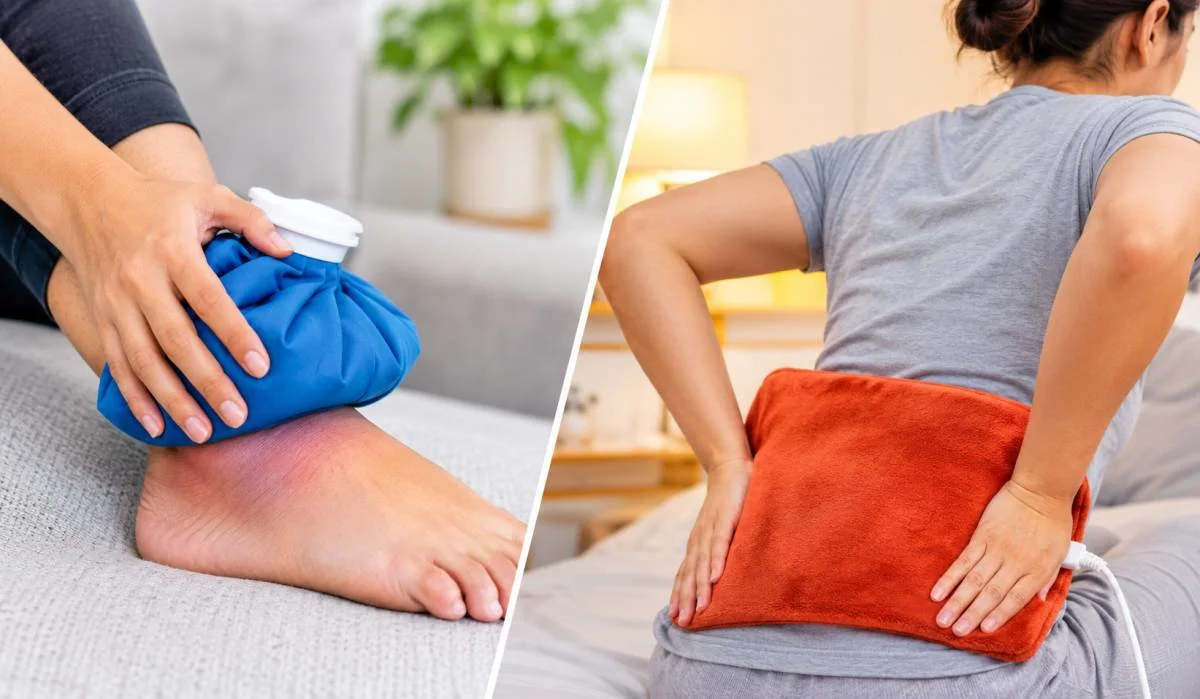
This is a common mistake most athletes make. They take cold if they need warmth. They take heat, when they're supposed to take ice. Ice therapy vs heat therapy for sports injuries is not difficult. But timing matters. Ice, for 48-72 hours following injury.
It is able to decrease swelling and dulling pain. Heat is for later. Relaxes tight muscles and increases circulation. Apply ice to a new sprain, apply heat to a stiff back anything that is the reverse can make matters worse. Here's the easy how-to. It includes damage to the ligaments, pain in muscles, and alternating both. Read this before taking out a pack.
The Simple Rule: Acute vs. Chronic
Think of it this way. If the injury just happened and it is swollen, red, or throbbing, use ice. If the injury is old, the area feels tight, or you are trying to loosen up before activity, use heat.
A sports medicine physical therapist at Mass General Brigham put it plainly: "ice is better for acute or traumatic injuries, and heat is better for chronic pain" . That is the golden rule.
Read More: Sports Medicine for Cricket Players: Stay on the Field
Ice Therapy: When and Why

Ice is your first line of defense for a new injury. It works by narrowing your blood vessels. That reduces blood flow to the area, which limits swelling and inflammation . It also numbs the nerve endings, which is why it takes the edge off the pain so quickly.
When to use ice:
- A fresh sprain, strain, or bruise (first 48 to 72 hours)
- After a hard workout when a joint feels hot or puffy
- If you have acute inflammation
How to do it:
Apply an ice pack for 15 to 20 minutes at a time. Always put a thin towel between the ice and your skin. Do not leave it on longer than that. You can repeat it every few hours if needed .
What to avoid:
Do not use ice if you have poor circulation, nerve damage, or cold sensitivity. And never ice an area right before you need to perform explosive movements. It slows down nerve signals, which can affect your coordination .
Heat Therapy: When and Why
Heat does the opposite of ice. It opens up your blood vessels. That brings more blood to the area, which helps muscles relax and connective tissue stretch . If your muscle feels like a tight knot, heat is what you want.
When to use heat:
- Muscle stiffness or tightness that is not from a fresh injury
- Chronic aches and pains
- Before activity to warm up a stiff joint or muscle
- Muscle spasms
How to do it:
Use a heating pad or warm towel for 15 to 20 minutes. Keep it on a comfortable setting. You should feel warmth, not heat that makes you want to pull away .
What to avoid:
Do not use heat in the first 48 hours after an injury. Heat increases blood flow, which can make swelling worse . Never sleep on a heating pad. Never apply it to numb skin.
Ice or Heat for a Ligament Injury?
If you have sprained a ligament (like an ankle sprain or knee sprain), start with ice. Ligament injuries cause immediate inflammation and swelling. Ice helps control that in the first two to three days .
After the initial swelling has settled down, and if the joint feels stiff, you can switch to heat or alternate between the two. But the first move is always ice.
Alternating Ice and Heat Therapy
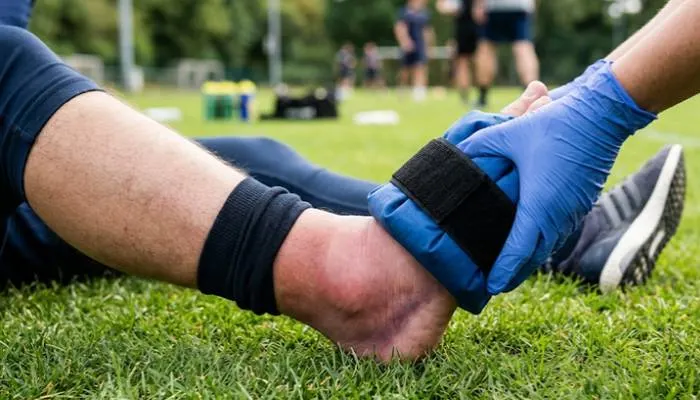
You do not have to pick one forever. Alternating can be useful, especially for recovery.
A common approach is to use heat before you exercise or stretch. That loosens the tissues and gets blood flowing. Then use ice afterward to calm down any inflammation that the activity stirred up . Some people also alternate throughout the day for chronic pain . Just remember the timeline. Alternating is for after the acute phase. Not during it.
Heat or Cold for Muscle Pain in the Leg?
It depends on why the leg hurts.
If you pulled a hamstring or calf muscle yesterday, that is an acute injury. Use ice . If your legs are sore from a hard training session and feel tight and achy (delayed onset muscle soreness), heat can help relax the muscles. If the soreness comes with swelling, stick with ice.
A good rule for post-exercise soreness: wait 48 hours. If it is just tightness, heat is fine. If it is still puffy and painful, ice is safer .
You May Also Read: Can Sports Medicine Help With Chronic Back Pain? Real Treatment
Summary
| Situation | Best Choice | Why |
|---|---|---|
| Fresh sprain or strain (0-48 hours) | Ice | Reduces swelling and numbs pain |
| Swollen, hot joint | Ice | Constricts blood vessels |
| Tight, stiff muscle | Heat | Increases blood flow and relaxes tissue |
| Before exercise (stiff area) | Heat | Warms up connective tissue |
| After exercise (sore, no swelling) | Heat | Relieves muscle tension |
| After exercise (swollen) | Ice | Controls inflammation |
Ice therapy vs heat therapy for sports injuries comes down to one question: is this a new injury with swelling, or an old tightness that needs loosening? Ice for new and swollen. Heat for tight and stiff. When in doubt, start with ice for the first two days. Your body will tell you when it is ready to switch.
FAQs
1. Should I use ice or heat for a new injury?
Ice. Always ice first. The first 48 to 72 hours after a sprain or strain is the ice window. It narrows blood vessels. That cuts swelling and numbs the pain. Heat during this time will make the swelling worse. Wait until the swelling goes down before you switch.
2. How long should I leave ice on?
15 to 20 minutes. That is it. Put a thin towel between the pack and your skin. Do not leave it on longer. You can repeat every few hours if needed. Never sleep with an ice pack on. Never put ice directly on bare skin.
3. When is heat the better choice?
When the area feels tight and stiff. Old injuries. Muscle knots. A back that will not loosen up. Heat opens blood vessels. That brings blood to the area. It relaxes the muscle. It helps connective tissue stretch. Use it before activity to warm up a stiff joint.
4. Ice or heat for a ligament injury?
Ice first. Ligament sprains cause immediate swelling. Ice controls that in the first two to three days. Once the swelling settles and the joint just feels stiff, you can switch to heat or alternate. But the first move is always ice.
5. Can I alternate ice and heat?
Yes. But not during the acute phase. Wait until the swelling is gone. Then use heat before exercise to loosen things up. Use ice after to calm any inflammation the activity caused. Some people alternate throughout the day for chronic pain.
6. Heat or cold for muscle pain in the leg?
Depends on why it hurts. Pulled a hamstring yesterday? Ice. Legs sore and tight from training with no swelling? Heat. If the soreness comes with puffiness, stick with ice. Wait 48 hours after a hard session before using heat on sore muscles.
7. Who should not use ice or heat?
Skip ice if you have poor circulation, nerve damage, or cold sensitivity. Never ice right before explosive movements. It slows nerve signals and messes with coordination. Skip heat on numb skin. Never sleep on a heating pad. Do not use heat on a fresh injury.
8. What is the simplest rule to remember?
New and swollen means ice. Old and stiff means heat. That is the whole thing. When in doubt, start with ice for the first two days. Your body will tell you when it is ready to switch.
.


